
Homeschool participation trends matter because they show more than a change in enrollment. They point to families making deliberate choices about instruction, time, values, safety, academic fit, and community life. For parents who teach at home, the numbers can be encouraging, but they also call for steady planning: stronger co-ops, better library partnerships, clearer local communication, and learning plans that help children build knowledge across subjects.
During the 2024-2025 school year, the National Home Education Research Institute estimated that 3.408 million K-12 students in the United States were homeschooled, representing about 6.262% of the school-age population, according to NHERI’s homeschool estimate. That is a large share of American education, and it deserves serious attention from parents, educators, libraries, museums, churches, civic groups, and local service organizations.
As a homeschool advocate, I see this growth as an invitation rather than a victory lap. Families need encouragement, but they also need practical systems. A home can be a serious place of learning, yet no family should feel forced to build every opportunity alone. The strongest homeschool communities connect family instruction with public resources, local expertise, peer friendships, and shared accountability.
What Homeschool Participation Trends Show
Homeschool Participation Trends In The 2024-2025 Data
The 2024-2025 school year did not show homeschooling fading back to a small pre-pandemic pattern. Johns Hopkins University’s Homeschool Hub reported that homeschooling grew at an average rate of 4.9% across reporting states in 2024-2025, more than double the pre-pandemic growth rate of about 2% per year, according to Johns Hopkins homeschool growth data. That figure is important because it uses state reporting rather than casual impressions.
At the same time, families should read the number with care. The Johns Hopkins figure is based on reporting states, so it does not mean every state experienced the same pattern or that every local district saw the same level of change. Homeschool participation trends are best understood as a broad signal: home education remains a meaningful and growing part of K-12 education, but the details still depend on state rules, reporting practices, and family choices.
Why Growth Should Lead To Better Planning
Growth by itself does not guarantee strong learning. A larger homeschool population can bring more co-ops, classes, field trips, curriculum swaps, teen groups, speech clubs, nature study gatherings, and parent support meetings. It can also strain local volunteer networks if families arrive faster than community structures can support them.
That is why parents should treat homeschool participation trends as planning information. If more families are educating at home, local groups may need clearer calendars, beginner orientation sessions, shared expectations for behavior, and better ways to welcome families with different teaching styles. A classical history co-op, a project-based science club, and a literature discussion group may all serve children well, but they need different schedules, parent roles, and resource needs.
For families who want to compare the 2024-2025 figures with a plain-language discussion of why the percentage matters, Leap Year Publishing has also covered homeschooling growth data in a way that may help parents connect numbers to household decisions.
How Growth Affects Local Learning Communities
Libraries, Museums, And Shared Civic Spaces
When more children learn at home, community institutions become more visible in weekday education. Libraries are not just book pickup points. They can support research skills, family read-aloud habits, local history work, teen study groups, and subject exploration. Museums, nature centers, historical societies, farms, theaters, and community organizations can also become part of a child’s regular learning rhythm.
This does not mean every community partner needs to create a special homeschool program. Sometimes the best support is simple: daytime tours, clear group registration policies, reading lists, educator pages, quiet study space, and staff who understand that homeschool families often include several age groups at once. Local civic information can help families stay aware of community resources, and related community coverage from Wakefield Rep is recommended for those interested in education, local organizations, and public life within the network.
Co-Ops And Parent Capacity
Co-ops are often where homeschool growth becomes visible first. A parent who teaches writing well may trade effort with a parent who loves chemistry labs. A retired engineer may help with robotics. A theater volunteer may guide public speaking. A grandparent may read primary source material with middle school students. These arrangements can be powerful, but only when expectations are clear.
Parents should ask practical questions before joining or starting a group:
- What ages does the group serve, and are younger siblings included or supervised separately?
- Which adults teach, assist, clean up, handle communication, and manage safety expectations?
- Is the group mainly academic, social, faith-based, field-trip focused, or a mix?
- How are costs, supplies, absences, and behavior concerns handled?
- What does the group do for new families who are still learning how home education works?
Those questions protect friendships. They also protect children from adult confusion. A homeschool group does not need to mimic a school building, but it does need consistency, especially when children are learning alongside peers.
Practical Ways Families Can Respond
Build An Integrative Social Studies Core
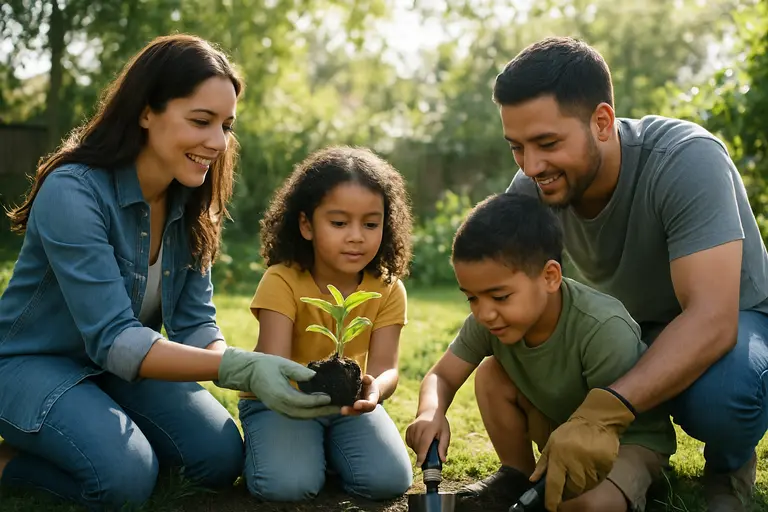
One of the best responses to homeschool growth is stronger subject integration. Social studies is an ideal anchor because it brings together history, geography, civics, economics, literature, art, mapping, biography, local interviews, and primary source reading. Instead of treating social studies as a worksheet subject, families can use it to connect children with the real places and people around them.
A family studying local government might read a children’s book about voting, map town services, compare public meeting agendas, interview a community volunteer, and write a short explanation of how a local decision affects families. A family studying westward migration might combine maps, diaries, weather patterns, transportation, food history, and questions about whose voices were recorded and whose were left out. This kind of planning helps children see that knowledge is connected.
Homeschool participation trends should push communities to support this kind of learning. If more families are teaching at home, then local archives, historical societies, and libraries can help by making age-appropriate materials easier to find. Parents can help by preparing children to ask respectful questions, take notes, and connect visits back to reading and writing at home.
Use Data Without Letting Data Run The Home
Numbers can help families make wise decisions, but they should not create pressure to copy every other homeschool household. A national estimate tells us that many families are choosing home education. It does not tell us which math program fits a specific child, how many co-op days a family can handle, or whether a teenager needs more independent study time.
Parents can use homeschool participation trends as a prompt for reflection: Are we connected enough? Do our children have steady reading time? Are we building background knowledge? Do we have adults who can help in subjects that stretch us? Are we giving children enough time for friendship, service, and physical activity? These questions move the data from a headline into the daily work of education.
Homeschool Participation Trends And Community Impact
The rise in homeschooling participation through 2024-2025 shows that home education is now a major part of the American education picture. The most useful response is not argument for its own sake. It is better local planning, clearer parent support, and deeper learning opportunities for children.
Homeschool families bring energy to communities. They visit libraries during the day, form peer groups, ask for museum access, organize field trips, and often look for meaningful service projects. Communities, in turn, can help families by offering reliable information, respectful access, and room for parents to build learning networks without unnecessary confusion.
For parents, the task is both humble and hopeful. We can celebrate growth without pretending numbers solve every problem. We can build strong home routines while still asking for help. We can teach our children that education is not confined to one building, one schedule, or one method. Used wisely, the current homeschool participation trends can lead to stronger families, more connected communities, and children who understand both their studies and their neighbors more deeply.
