
Do you remember that school project that felt like trying to put together IKEA furniture without instructions? We’ve all been there. My worst nightmare was the California Mission kit—a box that taught me more about glue fumes than history.
True PBL isn’t about the final product. It’s about the messy, glorious process. It’s the unit where eighth graders become record producers for Shakespeare or third graders pitch dream homes with “fancy toilets.”
This approach changes learning from a “read-quiz-test” conveyor belt into a real journey. The key is the driving question. Are students solving a real problem or just decorating a tri-fold board?
We’re exploring what makes learning meaningful. Using bad memories and great pre-built units, we’ll find what makes an experience last.
Key Takeaways
- Authentic PBL focuses on the learning journey, not just the final product.
- The core difference lies in a meaningful, real-world driving question.
- Cross-curricular unit studies naturally integrate multiple subjects.
- Rubrics provide essential structure for home-based learning adventures.
- Quality PBL transforms students from passive recipients to active creators.
- The best units feel like solving a genuine problem, not completing an assignment.
- Process over product is the golden rule for enduring educational impact.
FAQ
Q: What is a PBL?
A: PBL stands for Project-Based Learning. It’s a teaching method that focuses on real-world problems and projects. Students work on these projects to learn new skills and knowledge.
Q: What are the benefits of PBL?
A: PBL helps students develop problem-solving skills, critical thinking, and collaboration. It also improves their communication and time management skills. Students learn to work together and solve real-world problems.
Q: How does PBL differ from traditional teaching methods?
A: PBL is different from traditional teaching methods because it focuses on real-world problems and projects. It encourages students to work together and develop problem-solving skills. Traditional teaching methods often focus on memorization and following rules.
Q: How can I implement PBL in my classroom?
A: To implement PBL in your classroom, you can start by identifying real-world problems or projects that align with your curriculum. Then, work with your students to design a project that addresses the problem. Provide guidance and support as needed, and encourage students to work together and develop problem-solving skills.
Q: What are some examples of PBL projects?
A: Some examples of PBL projects include designing a sustainable community, creating a marketing campaign for a new product, or developing a solution to a real-world problem. These projects allow students to apply their knowledge and skills to real-world scenarios.
Q: How can I assess student learning in PBL?
A: Assessing student learning in PBL can be done through various methods, such as presentations, written reports, or exhibitions. It’s important to provide feedback and guidance to students as they work on their projects. This helps them develop their problem-solving skills and learn from their experiences.
Q: How can I integrate PBL with technology?
A: You can integrate PBL with technology by using digital tools and resources. For example, you can use online platforms for collaboration, multimedia presentations, or virtual field trips. Technology can enhance the PBL experience and provide students with additional resources and opportunities for learning.
Q: How can I create a supportive PBL environment?
A: To create a supportive PBL environment, you can establish clear expectations and guidelines for students. Provide guidance and support as needed, and encourage students to work together and develop problem-solving skills. Create a collaborative and inclusive classroom atmosphere where students feel comfortable sharing their ideas and working together.
Planning a 4‑Week Cross‑Curricular Unit (sample)
Forget the Pinterest-perfect project boards. Let’s create a real 4-week unit study for home education. It’s not about making pretty dioramas. It’s about making learning meaningful with real stakes and an audience.
Imagine a five-act play in your living room classroom. Each week is a major milestone, from curiosity to creation. Math, science, and literacy aren’t just subjects. They’re tools for your child to solve real problems.
Let’s plan a sample mission: “Design a Community Pool for Our School.” Here’s how those four weeks go.
- Week 1: The Hook & The Driving Question. This week starts with a problem, not a lesson. Maybe kids want a fun water feature in summer. The driving question is: “How can we design a community pool that is fun, safe, and within a budget?” They’re not just doing math. They’re solving a real problem.
- Week 2: Knowledge Acquisition & Role-Play. The team forms. One child is the junior architect, researching area and volume. Another is the budget analyst, learning decimals and percentages. A third becomes the safety inspector, studying local codes and material science. Every fact they learn helps their character succeed.
- Week 3: The Build & The Hustle. This week is messy. They build scale models, graph data, and draft proposals for the “school board” (you and some neighbor parents). It’s imperfect but authentic.
- Week 4: Refinement & The Exhibition. The final act. Presentations are polished, pitches are practiced. They present to an authentic audience. Maybe it’s the real principal via Zoom. The project ends with feedback, recognition, and satisfaction.
This framework turns a month into a cohesive story. Skills aren’t taught in isolation. Measurement is learned for the pool blueprint. Persuasive writing is honed for fictional funding. Science principles ensure safety.
A well-structured unit study mirrors real-world problem-solving. It’s interdisciplinary, collaborative, and goal-driven. It turns the home classroom into a mission control center.
Research Skills and Source Credibility for Kids
The digital age has changed research from a library quest to a credibility detective game. Kids need to learn how to play this game. Gone are the days of card catalogs and encyclopedia reverence. Today, research skills are about questioning every source that appears in a search result.
Project-based learning makes this skill real. When a student designing a terrarium needs to know which plants thrive in high humidity, “ask Google” isn’t enough. They face a wall of conflicting advice—bloggers versus academic studies, nursery ads versus peer-reviewed data. This is where authentic digital literacy starts.
We must move beyond the “find three facts” worksheet. The real work is finding conflicting data and reconciling it. How does a commercial site selling succulents differ from a university botany department’s advice? One wants your money. The other wants accurate science. Kids need to spot that difference.
Teaching a fourth grader to spot bias in a website about California missions is a masterclass in critical thinking. Is the source celebrating colonization or examining its complex legacy? Does the author have a vested interest? This isn’t just history—it’s learning to read between the digital lines.

A simple credibility checklist becomes their detective toolkit. Who wrote this? When was it published? What’s the author’s expertise? Are there citations? Does the URL give clues (.gov, .edu, .com)? These questions transform passive browsing into active investigation.
The most thrilling shift happens when kids contact real-world experts. Imagine the empowerment of emailing a local botanist about moss varieties or interviewing a realtor for that “dream home” math project. Suddenly, experts become guides, not distant authorities. This is student-based research at its best.
Framing research not as a chore, but as gathering evidence for their case changes everything. In PBL, they’re always building a case—for a design, a solution, a historical interpretation. Each source becomes a piece of evidence weighed for reliability. Is this a strong witness or a questionable one?
Resources like Edutopia’s guide on how students can evaluate online sources offer excellent frameworks. But the magic happens when kids apply these filters to their actual project questions. The stakes are real. Their terrarium depends on it.
This approach builds something precious: intellectual self-reliance. They learn to verify, not just consume. To question, not just accept. In a world of information overload, these research skills aren’t optional. They’re the foundation of informed citizenship and genuine learning.
Science/Math Integration (data, measurement)
The split between math and science in school is a big problem. We teach about the water cycle and fractions separately. This makes it hard for kids to see how they connect.
In project-based learning, this problem goes away. Math and science work together like they should.
Math is the measurement language of science. Science gives math a place to shine. Forget about just doing math problems. Imagine your kid tracking how much water evaporates from their garden, using math to see if their plants will survive.
Think about the “Build a Pool” project. It’s about hydrodynamics, materials, and saving water. The math is about figuring out volume, ratios, and chemical levels. If the math is wrong, it could cause a mess or hurt someone’s eyes.
“Creating a Pizza Shop” makes fractions real. Your kid isn’t just solving math problems. They’re figuring out if they have enough dough, calculating costs, and seeing which toppings sell best. Does pineapple really upset people? The sales data will tell you.
These projects make getting the math wrong matter. It’s not about getting in trouble. It’s about making math real. When math affects if a model kidney works or a building stands, it’s serious.
| Project Theme | Core Science Concept | Key Math Skills | Real-World Data Application |
|---|---|---|---|
| Build a Pool | Hydrodynamics, Material Science | Volume calculation, Graphing ratios, Measurement | Tracking water evaporation rates, Calculating chemical balances |
| Create a Pizza Shop | Nutrition, Food Science | Fractions, Estimation, Profit graphing | Analyzing sales data, Calculating food cost percentages |
| Exploring Planting with Precision | Botany, Photosynthesis | Multiplication, Division, Area calculation | Measuring growth rates, Calculating optimal spacing |
| Excretory System Model | Human Biology, Filtration | Ratio/proportion, Measurement, Data logging | Tracking filtration efficiency, Calculating waste removal rates |
The “Exploring Planting with Precision” unit shows how math and science work together. It’s about soil, photosynthesis, and roots. Kids learn math to understand biology better.
This way of learning makes math and science real. It’s like solving a mystery with data. Or building something that has to work right. It’s a way of learning that feels right.
The goal is to see math and science as tools for understanding the world. When kids use math and science naturally, you know they get it.
FAQ
Q: What is the significance of the 2024 US Presidential Election?
A: The 2024 US Presidential Election is a critical event that will determine the future direction of the country. It will shape the nation’s policies, economy, and international relations. The election will also have a significant impact on various sectors, including healthcare, education, and the environment.
Q: Who are the main candidates running for the 2024 US Presidential Election?
A: The main candidates running for the 2024 US Presidential Election include Joe Biden, Donald Trump, and several other notable figures. Each candidate has their own platform and vision for the country’s future.
Q: What are the key issues that will be addressed during the 2024 US Presidential Election?
A: The 2024 US Presidential Election will address a range of key issues, including healthcare, education, climate change, economic policies, and national security. These issues will be central to the campaign and will shape the candidates’ platforms.
Q: How can I stay updated on the latest news and updates about the 2024 US Presidential Election?
A: To stay updated on the latest news and updates about the 2024 US Presidential Election, you can follow reputable news sources, such as CNN, Fox News, and The New York Times. You can also follow the candidates’ social media accounts and official websites for the latest information.
Q: What are the voting requirements and deadlines for the 2024 US Presidential Election?
A: The voting requirements and deadlines for the 2024 US Presidential Election vary by state. It is important to check with your local election office or visit the official website of your state’s election authority to determine the specific requirements and deadlines for your area.
Q: How can I make an informed decision when casting my vote in the 2024 US Presidential Election?
A: To make an informed decision when casting your vote in the 2024 US Presidential Election, it is important to research the candidates’ policies, track their campaign promises, and consider their track records. You can also engage in discussions with friends, family, and community members to gain different perspectives and insights.
Q: What is the role of the Electoral College in the 2024 US Presidential Election?
A: The Electoral College plays a significant role in the 2024 US Presidential Election. It is a system established by the Founding Fathers to ensure that smaller states have a voice in the election process. The Electoral College consists of 538 electors, with each state having a number of electors based on its population. The candidate who wins the most votes in a state typically receives all of that state’s electoral votes, except in Maine and Nebraska, which allocate their electoral votes proportionally.
Q: What are the key dates and milestones leading up to the 2024 US Presidential Election?
A: The key dates and milestones leading up to the 2024 US Presidential Election include the primary elections, caucuses, and conventions. These events will determine the candidates who will represent each party in the general election. The general election will take place on November 5, 2024.
Q: How can I participate in the democratic process and make my voice heard in the 2024 US Presidential Election?
A: To participate in the democratic process and make your voice heard in the 2024 US Presidential Election, you can register to vote, attend campaign events, engage in discussions with friends and family, and cast your ballot on election day. Every vote counts, and your participation is essential to shaping the future of the country.
Rubrics and Checkpoints (student/parent versions)
If traditional grading is like a surprise autopsy, then authentic assessment through rubrics is like preventative medicine. It’s the difference between discovering a project has flatlined at the final presentation versus monitoring its vital signs throughout the creative process. In home-based PBL, this shift isn’t just pedagogical—it’s relational. It keeps the kitchen table from becoming a tribunal.
A great rubric isn’t a secret decoder ring handed down by the grading gods. It’s the playbook distributed at the first team meeting. The magic happens when you co-create it with your young learner. Ask them: “What does a ‘compelling presentation’ actually look like? How would we know if evidence was ‘thoroughly researched’?” Suddenly, criteria like “organization” and “creativity” move from abstract judgments to concrete, observable behaviors.
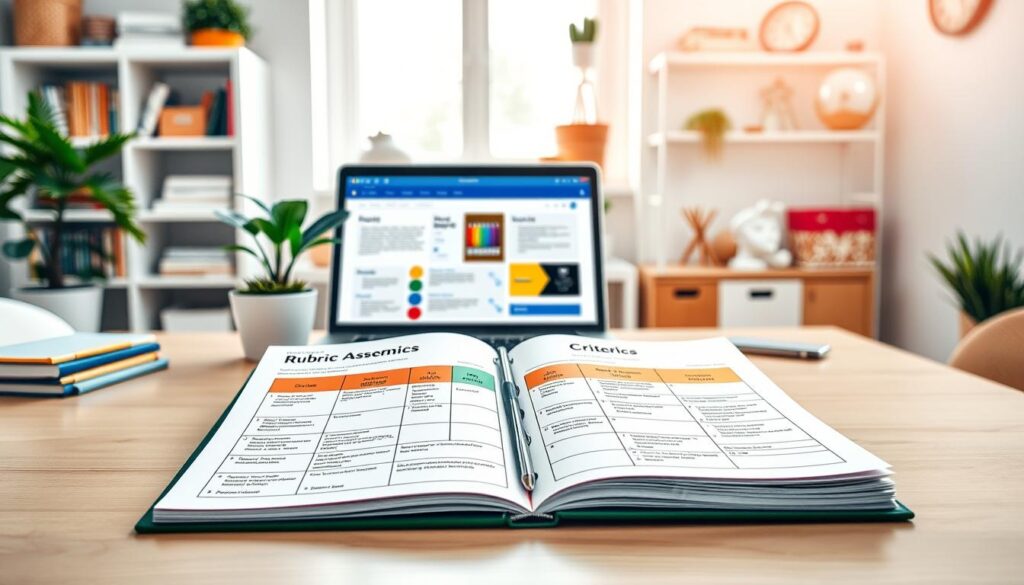
This collaborative drafting is the heart of true authentic assessment. It builds metacognition—they learn to evaluate their own work against standards they helped define. The generic PBL oral presentation rubric that served both a Superhero League pitch and a National Parks float isn’t a one-size-fits-all compromise. It’s a flexible framework assessing universal skills: clarity of argument, quality of evidence, creative delivery, and collaborative process.
Here’s where we introduce the parallel parent rubric. Your version might look slightly different, focusing on observable effort, time management, and resourcefulness. This isn’t about double-grading. It’s about aligning perspectives. When both student and parent versions sit side-by-side, the conversation shifts from “What’s my grade?” to “How did you see your progress?”
The most powerful assessments are those where the student understands the criteria as well as the assessor.
Consider this simple comparison of focus areas:
| Student Rubric Focus | Parent Rubric Focus |
|---|---|
| Did I explain my main idea clearly? | Did the project communicate a central thesis effectively? |
| Did I use evidence from credible sources? | Was research diverse and sources appropriately cited? |
| Was my presentation engaging (eye contact, visuals)? | Was the delivery confident and well-prepared? |
| Did I contribute fairly to my team? | Did they demonstrate collaboration and resolve conflicts? |
Now, let’s talk checkpoints. These are the mini-milestones that prevent the last-minute panic. They’re not grades; they’re lifelines. Think of them as the project’s regular health check-ups:
- Storyboard Approval: A quick review of the visual plan before building begins.
- First Draft Pitch: A two-minute run-through of the main argument.
- Model Prototype: A physical or digital mock-up for feedback.
- Source Check-In: Verification that research is using credible materials.
Each checkpoint is a low-stakes conversation. “Your storyboard shows great sequence, but how will you transition between these two big ideas?” This is assessment as coaching. It transforms you from final judge to trusted advisor.
The beauty of this system? That single, well-crafted rubric—whether downloaded from a “Printable Rubric Template” pin or built together—becomes a reusable tool. It assesses the core skills whether the final product is a Minecraft castle model, a live podcast, or a TED-style talk. The authentic assessment loop closes not with a score, but with a reflection: “Looking at our rubric, what did you nail? What would you upgrade next time?”
Suddenly, assessment stops being the necessary evil. It becomes the ongoing dialogue that makes the learning—and the relationship—stronger. The rubric isn’t the end of the story. It’s the map that made the journey possible.
Exhibitions and Authentic Assessment
Exhibitions are a powerful way to showcase student learning and provide authentic assessment. By allowing students to present their work in a meaningful way, exhibitions offer a unique opportunity for students to demonstrate their understanding and skills.
During exhibitions, students can share their projects and engage in conversations with teachers, peers, and even family members. This interactive environment allows for a more in-depth understanding of the student’s work and provides valuable feedback for growth and improvement.
Exhibitions also promote a sense of community and collaboration. By sharing their work with others, students can learn from their peers and gain new perspectives. This exchange of ideas fosters a supportive and inclusive learning environment.
Authentic assessment is a key component of exhibitions. Instead of relying solely on traditional tests and quizzes, exhibitions provide a more holistic evaluation of student learning. By considering the process, effort, and final product, exhibitions offer a more accurate representation of a student’s abilities and knowledge.
Exhibitions also align with the principles of competency-based education. By focusing on the demonstration of skills and knowledge, exhibitions provide a clear and measurable assessment of student progress. This approach ensures that students are held to high standards and are recognized for their achievements.
Overall, exhibitions and authentic assessment offer a powerful combination for evaluating student learning. By providing a platform for students to showcase their work and engage in meaningful conversations, exhibitions promote a deeper understanding of student abilities and foster a sense of community and collaboration.
Benefits of Exhibitions and Authentic Assessment
- Provide a platform for students to showcase their work and demonstrate their understanding and skills.
- Offer a more holistic evaluation of student learning, considering the process, effort, and final product.
- Align with the principles of competency-based education, focusing on the demonstration of skills and knowledge.
- Promote a sense of community and collaboration by allowing students to engage in conversations with others.
- Offer valuable feedback for growth and improvement, enabling students to refine their skills and knowledge.
FAQ
Q: What is a PBL?
A: PBL stands for Project-Based Learning. It’s a teaching method that focuses on real-world problems and projects. Students work on these projects to learn new skills and gain knowledge.
Q: What are the benefits of PBL?
A: PBL offers many benefits. It helps students develop problem-solving skills, critical thinking, and collaboration. It also boosts their creativity, communication, and time management skills.
Q: How does PBL differ from traditional teaching methods?
A: PBL is different from traditional teaching methods in several ways. It focuses on real-world problems and projects, unlike traditional methods that often focus on textbooks and lectures. PBL also encourages students to take ownership of their learning and work together to solve problems.
Q: What are some examples of PBL projects?
A: There are many examples of PBL projects. Students might work on projects like designing a sustainable community, creating a new product, or solving a real-world problem. These projects allow students to apply what they’ve learned in a practical way.
Q: How can I implement PBL in my classroom?
A: Implementing PBL in your classroom can be done in several ways. You can start by identifying real-world problems or projects that align with your curriculum. Then, you can work with your students to design and plan the project. Throughout the project, you can provide guidance and support while encouraging students to take ownership of their learning.
Q: What are some challenges of implementing PBL?
A: Implementing PBL can come with challenges. One challenge is managing the workload and ensuring that students have enough time to complete the project. Another challenge is providing adequate support and resources for students. It’s also important to ensure that the project aligns with the curriculum and meets the learning objectives.
Q: How can I assess student learning in PBL?
A: Assessing student learning in PBL can be done in various ways. You can use project-based assessments, such as presentations, exhibitions, or written reports. You can also use rubrics to evaluate students’ work and provide feedback. It’s important to assess students’ critical thinking, problem-solving, and collaboration skills.
Q: How can I integrate technology into PBL?
A: Integrating technology into PBL can enhance the learning experience. You can use digital tools and resources to facilitate research, collaboration, and presentation. You can also use virtual field trips and online platforms to provide students with real-world experiences.
Q: How can I create a supportive PBL environment?
A: Creating a supportive PBL environment is important. You can encourage collaboration by setting up group workspaces and promoting teamwork. You can also provide resources and support to help students overcome challenges and ensure that they have the necessary skills and knowledge to succeed.
Q: How can I measure the impact of PBL?
A: Measuring the impact of PBL can be done through various methods. You can use surveys, interviews, and focus groups to gather feedback from students and teachers. You can also analyze student performance data and assess the long-term effects of PBL on students’ skills and knowledge.
FAQ
Q: What is a pre buy car inspection?
A: A pre buy car inspection is a thorough examination of a vehicle’s condition before purchasing it. It involves checking various components such as the engine, transmission, brakes, suspension, and electrical systems to identify any existing issues or hidden problems.
Q: Why should I get a pre buy car inspection?
A: Getting a pre buy car inspection is essential to ensure that you are making a wise investment. It helps you identify any underlying issues or hidden problems that may not be apparent during a test drive. This way, you can negotiate a fair price or decide if the vehicle is worth purchasing.
Q: What does a pre buy car inspection include?
A: A pre buy car inspection typically includes a detailed examination of the vehicle’s exterior, interior, engine, transmission, brakes, suspension, electrical systems, and more. It may also involve a test drive to assess the vehicle’s performance and identify any unusual noises or vibrations.
Q: How long does a pre buy car inspection take?
A: The duration of a pre buy car inspection can vary depending on the complexity of the vehicle and the thoroughness of the inspection. On average, it can take anywhere from 1 to 3 hours to complete a thorough inspection.
Q: Can I be present during the pre buy car inspection?
A: Yes, it is highly recommended to be present during the pre buy car inspection. This allows you to ask questions, gain a better understanding of the vehicle’s condition, and address any concerns or concerns you may have.
Q: How much does a pre buy car inspection cost?
A: The cost of a pre buy car inspection can vary depending on factors such as the location, type of vehicle, and the level of detail required. On average, it can range from $150 to $300. It is best to contact a reputable inspection company for a detailed quote.
Q: Can I get a pre buy car inspection for other types of vehicles?
A: Yes, pre buy car inspections are not limited to cars. They can be conducted for motorcycles, RVs, boats, and even heavy equipment. It is important to have a professional inspection done to ensure the condition and value of any vehicle or equipment you are considering purchasing.
Q: How do I choose a reputable pre buy car inspection company?
A: When choosing a pre buy car inspection company, it is important to consider factors such as their experience, qualifications, and reputation. Look for companies that have a proven track record of providing accurate and detailed inspections. Reading customer reviews and testimonials can also help you make an informed decision.
Q: What should I do after the pre buy car inspection?
A: After receiving the results of the pre buy car inspection, you can use the information to make an informed decision about the purchase. If any major issues or concerns are identified, you can negotiate a fair price or decide if the vehicle is worth purchasing. It is also important to consider the cost of any necessary repairs or maintenance.
