
For many, a calendar is just a tool for keeping track of appointments. But for a growing group, it’s much more. These monthly displays become accessible art, memory keepers, and strong statements of who we are.
Collectors often look for specific themes in their calendars. Some love art calendars with their favorite painter’s work. Others enjoy the breathtaking views in nature photography calendars. And then there’s the fans of fandom calendars for their favorite movies, TV shows, or anime.
Take the Zootopia 2026 desk calendar, for example. It’s a cartoon insert calendar and a great desk buddy for anime fans. It shows how a fandom-themed calendar can add beauty to your day.
Choosing your calendars is about creating a space you love. It turns a simple item into a source of daily joy and inspiration. This guide will help you pick and care for calendars that are truly yours, year after year.
Print Methods: offset, giclée, letterpress; color fidelity
Offset, giclée, and letterpress are more than just terms. They shape your calendar’s look and how long it lasts. The choice of method affects the colors, details, and even the feel of the calendar. For collectors, knowing this is essential. It helps you see the true value, predict aging, and honor the artist’s vision.
Take the Sinn Watches picture calendar as an example. Its sharp, bright images show a careful print choice. Let’s dive into the three main methods you’ll find.
Offset Printing (Lithography) is great for making lots of calendars. It uses plates to print on paper. It’s cheap for big batches and gives bright colors. Modern offset is excellent at keeping colors true for photos and detailed designs. It often has a glossy look. This is perfect for calendars full of bright images.
Giclée Printing is for high-end art and limited editions. It uses special inks sprayed on paper or canvas. This method captures amazing details and colors. Giclée prints last a long time and don’t fade easily. If a calendar is called a “collectible art piece,” it’s probably made with giclée.
Letterpress Printing gives a unique, premium feel. It presses inked plates into the paper, creating a texture you can touch. Colors are often bold and classic. The charm is in its handmade feel. A letterpress calendar feels special, perfect for those who love tradition and touch.
| Print Method | Best For | Color Fidelity & Detail | Texture & Feel |
|---|---|---|---|
| Offset (Lithography) | Mass-produced, vibrant thematic calendars | Excellent for photos; bright, consistent color | Smooth, often glossy finish |
| Giclée | Limited editions, fine art reproductions | Superior detail, wide gamut, archival inks | Varied paper stocks, flat ink application |
| Letterpress | Artisanal, minimalist, or classic designs | Often limited color palettes; bold graphics | Distinct debossed, tactile texture |
Choosing the right print method is important. If you want a collection of bright pop culture images, offset is the way. For a series of fine art months, look for giclée. Knowing these techniques makes you a better collector. You can appreciate the craftsmanship behind each calendar.
Paper & Longevity: acid-free, weight, coatings, fade resistance
Learning about ‘acid-free’ and ‘gsm’ changes how you pick calendars for keeping. The paper is key to your collection’s success. Its quality makes a calendar last or just last a year.
The Acid-Free Advantage
Most paper has lignin, which turns acidic and makes paper brittle and yellow. Acid-free paper is made without lignin and stays neutral. This keeps it from decaying.
For a calendar you want to keep for years, acid-free paper is essential. It keeps colors bright and whites crisp. This is the heart of keeping paper in good shape.
Understanding Paper Weight
Paper weight, in grams per square meter (gsm), shows its thickness and strength. Thin, low-gsm paper feels cheap and tears easily. Thick, high-gsm paper feels premium and lasts longer.
For calendars you’ll keep, look for 120 gsm or more. This weight resists curling and handles flipping without creasing. It adds to the calendar’s feel and life.
A coating is a thin layer on paper that changes its surface. Matte and glossy finishes have different looks and effects on preservation. Each has its own benefits for collectors.
| Feature | Matte Coating | Glossy Coating |
|---|---|---|
| Visual Effect | Soft, non-reflective finish; reduces glare. | Vibrant, high-contrast colors; adds a shine. |
| Tactile Feel | Smooth, velvety texture; often feels more premium. | Slick, smooth surface; can feel less organic. |
| Light Reflection | Diffuses light, minimizing fingerprints and smudges. | Can create harsh glare under direct light. |
| Durability | Generally more resistant to scuffs and scratches. | More prone to showing fingerprints and fine scratches. |
| Best For | Artistic, photography, or minimalist calendars displayed in well-lit rooms. | Bold, graphic designs or calendars where color “pop” is the priority. |
The third source talks about glossy finishes for a reason—they make colors pop. But matte coatings often look more sophisticated and are easier to view without glare.
Fade Resistance and Archival Quality
Fade resistance comes from paper, coating, and ink. Archival-quality paper is made to last and is often paired with lightfast inks. This slows down fading from UV light.
True archival storage starts with these choices. A calendar on acid-free, heavy stock with quality inks can last decades. It becomes a piece of art.
Environmental care is key. The first source warns against moisture. Humidity can cause mold and warping. Even the best paper needs a stable place.
When picking a calendar, look for ‘archival,’ ‘acid-free,’ or ‘museum-quality.’ These show the publisher cared about longevity. Your collecting strategy is built on this foundation.
Choosing the right paper is an investment in future joy. It lets you reuse months as framed prints later, knowing the paper won’t fail. That is the power of smart choice.
Format & Display: sizes, grids, framing, page perforation
Displaying a calendar is more than just hanging it. It’s about adding art to your daily life. The size and design of the calendar affect how it looks and works.
Choosing the right size, grid, and binding makes a calendar special. It becomes a piece you’ll treasure.
Standard and Statement Sizes
The classic size for wall calendars is 11 by 8.5 inches. It fits standard frames and has plenty of room for notes. Many people love this size.
But, unique sizes can add interest. Mini calendars fit small spaces like desks. Oversized ones make a bold statement in any room. Square formats offer a modern look.
Before buying, measure where you plan to display it. Think about how it will look with other decor.
Grid Layout and Orientation
The grid is the heart of a calendar. Horizontal grids are traditional and easy to read. Vertical grids give more space for notes and lists.
Square grids have a clean look. Some calendars have unique layouts. These can be beautiful but might not be as practical.
Your choice depends on what you need. A clear grid makes the calendar easy to use all year.
Binding keeps the pages together and affects how you use the calendar. Spiral wire binding lets pages lie flat. This is common for 11 by 8.5-inch calendars.
Staple binding is used for thinner calendars. It’s less durable but cheaper. Perfect binding, where pages are glued, is rare for wall calendars.
For collectors, easy page removal is key. Some calendars have perforated pages. This lets you remove a favorite month for framing.
Others have pages that are just hole-punched. Check the binding if you want to save individual sheets.
Framing and Integrated Display
Framing turns a calendar into permanent art. You can frame the whole calendar or just one month at a time. Framing a whole calendar is like having a yearly art piece. Framing each month lets you change your display seasonally.
For framing the whole calendar, choose a format that lies flat. Spiral-bound calendars can be hard to frame neatly. Use a shadow box frame to fit the binding.
For month-by-month framing, perforated pages are best. Use standard 11×8.5 inch frames for easy swaps. This keeps your space looking fresh and celebrates each month’s art.
Think beyond just hanging it on a wall. Use decorative clips on a wire system. Place a calendar on a sturdy easel on a shelf. How you display it adds to its beauty.
| Format Type | Typical Size | Grid Layout | Common Binding | Best Display Use |
|---|---|---|---|---|
| Standard Wall | 11″ x 8.5″ | Horizontal | Spiral Wire | Traditional hanging, month framing |
| Mini / Desk | 8″ x 5″ | Vertical | Staple | Small spaces, shelf easels |
| Square Art | 12″ x 12″ | Square | Spiral Wire | Modern statement piece |
| Oversized | 18″ x 12″ | Horizontal | Heavy-Duty Spiral | Focal point in large rooms |
| Perforated Edition | 11″ x 8.5″ | Vertical | Spiral or Punched | Monthly framing, art collection |
Your calendar’s format should serve both form and function. The right size fits your space. The proper grid supports your planning style.
Binding and perforation features determine long-term value for collectors. Thoughtful display integrates this functional art into your life seamlessly.
Always handle with care, specially when removing pages. This keeps the calendar in good condition for years of enjoyment.
Release Cycles: annual drops, exclusives, preorders
For serious calendar collectors, knowing the release schedule is key. It turns a hobby into a strategic hunt. By understanding the market, you can grab the most wanted items before they’re gone.
The calendar world follows a yearly pattern. Most new designs come out in late summer. This way, they arrive just in time for the holidays and the new year. It’s perfect for Advent, making sure your calendar is fresh for the next year.
Limited editions are the most coveted. They’re made in small numbers and never printed again. A note might say, “This item is a limited edition. Once it has sold out, we will not be able to restock our inventory.” This makes them valuable and creates a rush among fans.
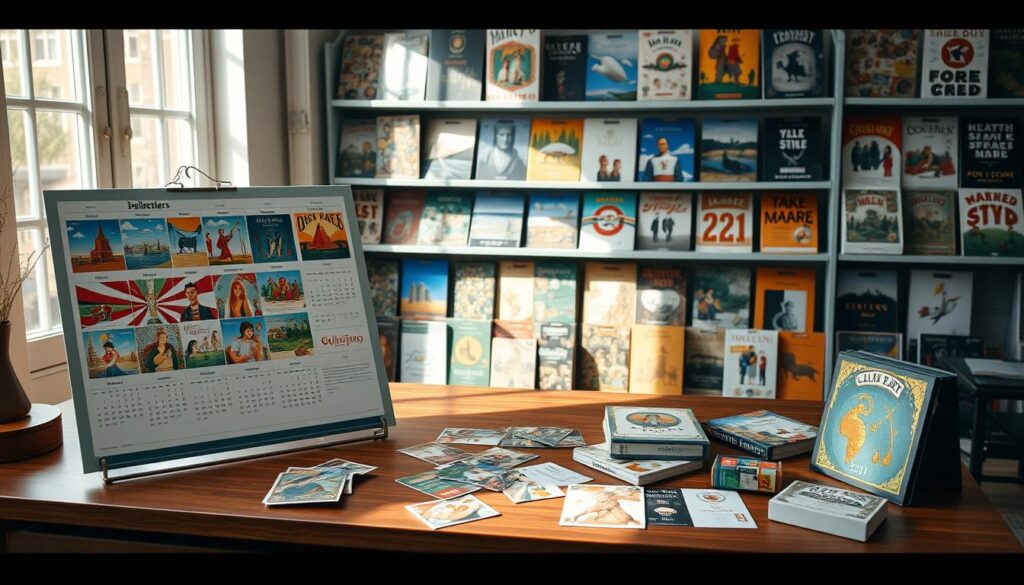
For example, a Thumbelina calendar, released as a limited edition, will likely increase in value. The trick is to buy it quickly when it first comes out.
To succeed, you must be proactive. Don’t wait until January to shop. That’s when all the good stuff is gone. Smart collectors plan ahead, months in advance.
- Follow Your Favorites: Sign up for newsletters from your favorite artists and retailers. Also, follow them on social media for updates.
- Target Limited Editions: When a new collection comes out, look for exclusive or numbered items. These should be your first choice.
- Utilize Pre-Order Systems: Many sellers let you pre-order items before they ship. This way, you’re sure to get a limited edition.
- Mark Your Calendar: Write down the release dates for your favorite series. This helps you avoid missing out.
By thinking strategically, you move from a casual buyer to a dedicated collector. You get the best pieces first and build a valuable collection.
Collecting Strategy: focus, cataloging, condition grading
A good collecting strategy turns buying into a meaningful collection. It’s not just about picking what you like. It’s about creating a personal archive.
The first step is focus. Do you focus on one theme or artist, or explore many interests?
Choosing a single theme, like an artist’s art calendars series, builds a cohesive collection. Or, you might collect fandom calendars from your favorite movies and games. Your choice shapes your collection’s identity.
After setting your focus, cataloging is key. A simple spreadsheet can help. Record each calendar’s details:
- Title, theme, and publisher
- Year of release and print method
- Purchase date, price, and source
- Any unique identifiers or edition numbers
Dedicated apps can also help with cataloging. They turn your calendars into a documented library. This helps avoid duplicates and track your collection’s value.
Condition grading is the last step. Proper storage and handling are critical for your calendars’ longevity and value. A simple grading system works:
- Mint/Unused: Never hung, stored flat in its original sleeve or archival box. Corners are sharp, and pages are pristine.
- Used/Excellent: Displayed for the year but handled with care. May have minor pin holes or gentle spine wear from turning pages.
- Used/Good: Enjoyed daily, showing signs of love like creases, sun fading on the displayed month, or notes in the grid.
Grading your art calendars or fandom calendars honestly is important for trading or selling. It also guides how you preserve them. Mint-condition pieces need archival storage. A well-loved calendar is great for creative projects later.
Focus, cataloging, and condition grading are the core of intentional collecting. They help you curate with confidence, ensuring each calendar has a special place in your collection.
Preservation: sleeves, storage boxes, climate tips
Acid-free paper is just the start. To keep your calendars safe, you need a solid archival storage plan. This guide will show you how to create a safe space for your collection. It will protect it from light, air pollution, handling, and humidity.
First, cover each calendar sheet or month. Use archival-quality sleeves for this. Look for clear, non-reactive materials like polyester, polypropylene, or polyethylene. They won’t harm your calendar’s ink and paper. Plus, they let you see your calendar without touching it, which keeps oils and dirt away.
For whole sets or many years, get strong archival storage boxes. These boxes are made from acid-free materials and are designed to keep your calendars safe. They fit your calendars well, preventing damage. And they have tight lids to keep dust and light out.
Choosing the right supplies can seem tricky. The table below helps you pick the best for your collection.
| Supply Type | Primary Material | Best For | Key Feature |
|---|---|---|---|
| Archival Polyester Sleeves | Clear polyester (Mylar®) | Individual months or high-value sheets | Ultra-clear, rigid protection; superior scratch resistance. |
| Archival Polypropylene Sleeves | Clear polypropylene | General monthly protection; budget-friendly bulk. | Flexible, crystal clear, and highly chemically stable. |
| Archival Document Box | Buffered, lignin-free corrugated board | Storing multiple complete calendar years. | Rigid structure, flip-top lid, often handleable. |
| Archival Solander Case | Rigid board with cloth covering | Permanent storage for rare or fragile calendars. | Museum-grade; dust-proof, crush-proof, and elegant. |
Climate control is also key. Your storage area should be dry and ventilated. Keep the temperature steady, between 65-70°F (18-21°C). Also, keep humidity between 35% and 50%. Avoid damp places like basements or attics.
Use a hygrometer to check humidity. If it’s too damp, a small desiccant can help. Never use plastic tubs that seal tightly, as they can trap moisture and cause mold.
By using the right sleeves, boxes, and climate control, you create a top-notch archival storage system. This care protects your calendars’ beauty and value for years to come.
Repurposing: framing months as prints, DIY books, collages
When the year ends, your themed wall calendar can start anew. It can become personalized art. This turns a useful item into something beautiful and inspiring.
Repurposing calendar pages is more than a hobby. It’s a way to keep the art you loved all year. Here are some ideas to enjoy your collection longer.
This is the most popular way to repurpose as prints. Take your favorite month off the calendar. Use a sharp knife and a ruler for a clean cut.
Choose a frame that matches the art and your decor. Sizes like 8×10 or 11×14 inches work well. Use acid-free matting to protect the paper from moisture.
Make a gallery wall with framed months from different years. It tells a story of your collecting journey. The art stays beautiful long after the dates are gone.
Creating DIY Art Books or Portfolios
Collect all twelve pages from one year. Bind them into a custom art book. It’s a tactile, year-in-review album.
Simple binding methods include:
- Using a hole punch and binder rings for a modular look.
- Taping pages together into an accordion-fold leporello book.
- Having the pages professionally spiral-bound at a copy shop.
Add notes about your memories from each month. This makes the book a unique journal. Display it on a coffee table or bookshelf.
Crafting Collages and Decorative Projects
For calendars with detailed illustrations, cut out specific elements. Use these for mixed-media projects. This is great for pages with minor damage.
Idea starters include:
- Decoupaging cut-outs onto a wooden tray or storage box.
- Creating unique greeting cards or gift tags.
- Designing a vibrant collage in a large shadow box frame.
This method lets you be very creative. You can mix images from different calendars to create something new.
Each project shows the calendar’s value beyond planning. It’s a source of creativity. By repurposing as prints and other crafts, you enjoy it for years.
Trading & Resale: marketplaces, pricing, provenance
Understanding the resale market is key. It involves knowing the best platforms, pricing, and the importance of provenance. For collectors, a calendar’s life goes beyond its initial use. The secondary market offers a chance to buy, connect with others, and even invest.
Finding the right place to trade is essential. Many online platforms focus on specific collectibles, like art and paper goods.

General auction sites like eBay provide wide reach and protection for buyers. Platforms like Etsy attract those looking for unique items. Collector forums on Reddit or Facebook can lead to rare finds and direct trades.
The table below compares main venues for buying and selling collectible calendars.
| Marketplace | Best For | Fee Structure | Audience |
|---|---|---|---|
| eBay | Auction-style sales, high-traffic listings | Final value fee + payment processing | Broad, international collectors |
| Etsy | Fixed-price sales, vintage & handmade niche | Listing fee + transaction fee | Artisan-focused buyers |
| Collector Forums | Direct trades, hard-to-find items | Usually none | Knowledgeable, niche enthusiasts |
| Specialty Auction Houses | High-value, rare limited editions | Seller’s commission + buyer’s premium | Serious investors and institutions |
Setting a price for your calendar is both an art and a science. Several key factors affect its value. Condition is critical; a mint, unused calendar is worth more than one with damage.
Completeness is also important. A calendar with its original packaging and certificates is more desirable. Missing items can lower interest and price.
The limited edition status is a major value driver. Calendars made in small numbers create scarcity. This scarcity increases demand among collectors seeking unique items. Confirmation of this status from a third party can also boost resale value.
Other factors like the artist’s reputation, theme popularity, and demand cycles also impact value. Looking at recent sales of similar items is the best way to gauge prices.
Provenance is the documented history of ownership. For a collectible calendar, this means keeping proof of purchase and any authenticity certificates. This history adds legitimacy and can justify a higher price.
Smart collectors keep a file for each significant piece. Include the original receipt, details on where and when it was bought, and photos of any seals or numbers. This practice is not just for high-end art. It builds a credible history that reassures future buyers.
Trading and resale turn collecting into an active pursuit. It connects you with a community, helps fund new purchases, and highlights the lasting value of chosen pieces. Approach it with the same care you use in selecting and preserving your collection.
Insurance & Documentation: inventory sheets, photos
Advanced collectors know that keeping a collection safe isn’t just about physical care. It’s also about protecting it with official records and insurance. This final step keeps your investment and the stories of each piece safe.
When does a themed calendar collection need special insurance? If the total value is more than your standard policy can cover, you should get a rider. This is often needed for rare items, out-of-print releases, or calendars with important autographs.
Good documentation is key for insurance claims or valuations. It’s like storing your collection’s data safely. A detailed inventory is your most important tool.
Make a master inventory sheet for each calendar. You can use a spreadsheet or a dedicated app. For each entry, include:
- Full Description: Title, artist, publisher, year, theme, and any unique identifiers like edition numbers.
- Source & Date: Where and when you got it (store, online marketplace, trade).
- Purchase Price: The original price paid, with receipts if you have them.
- Current Estimated Value: Look up recent sales on collector marketplaces for a fair estimate.
- Condition Notes: Describe any flaws, fading, or damage, using your condition grading system.
Photographic evidence is essential. Take clear, well-lit photos of each calendar’s cover, key interior months, and any marks of provenance. Store these digitally in an organized folder, backed up in the cloud. These images prove condition and ownership, forming a critical part of a complete archival storage system for your collection’s history.
Update your inventory and photos every year, or after getting new pieces. This regular practice does more than meet insurance needs. It creates a true archival storage for your collection’s legacy, ensuring its story and value are preserved for years to come.
Collector’s Checklist
You now know how to pick and care for a calendar you’ll love. This checklist helps you take action. It’s your quick guide.
Choose your theme. Do you prefer themed wall calendars with art calendars, nature photography, or fandom calendars? Your choice sets the mood for the year.
Look into the print quality. Seek limited editions and learn about the printing method. High-quality lithography keeps colors vibrant.
Start preserving it right away. Pick acid-free paper and plan for archival storage to safeguard your investment.
Think about its future use. Which images can you repurpose as prints? Framing a favorite month adds to its joy.
Keep a record of your collection. Make a simple inventory with release dates and notes. For more on keeping these items, read this article on wall calendar utility.
Your wall calendar is more than a date tracker. It’s a piece of art that shapes your space. Follow this list to build a meaningful collection.
